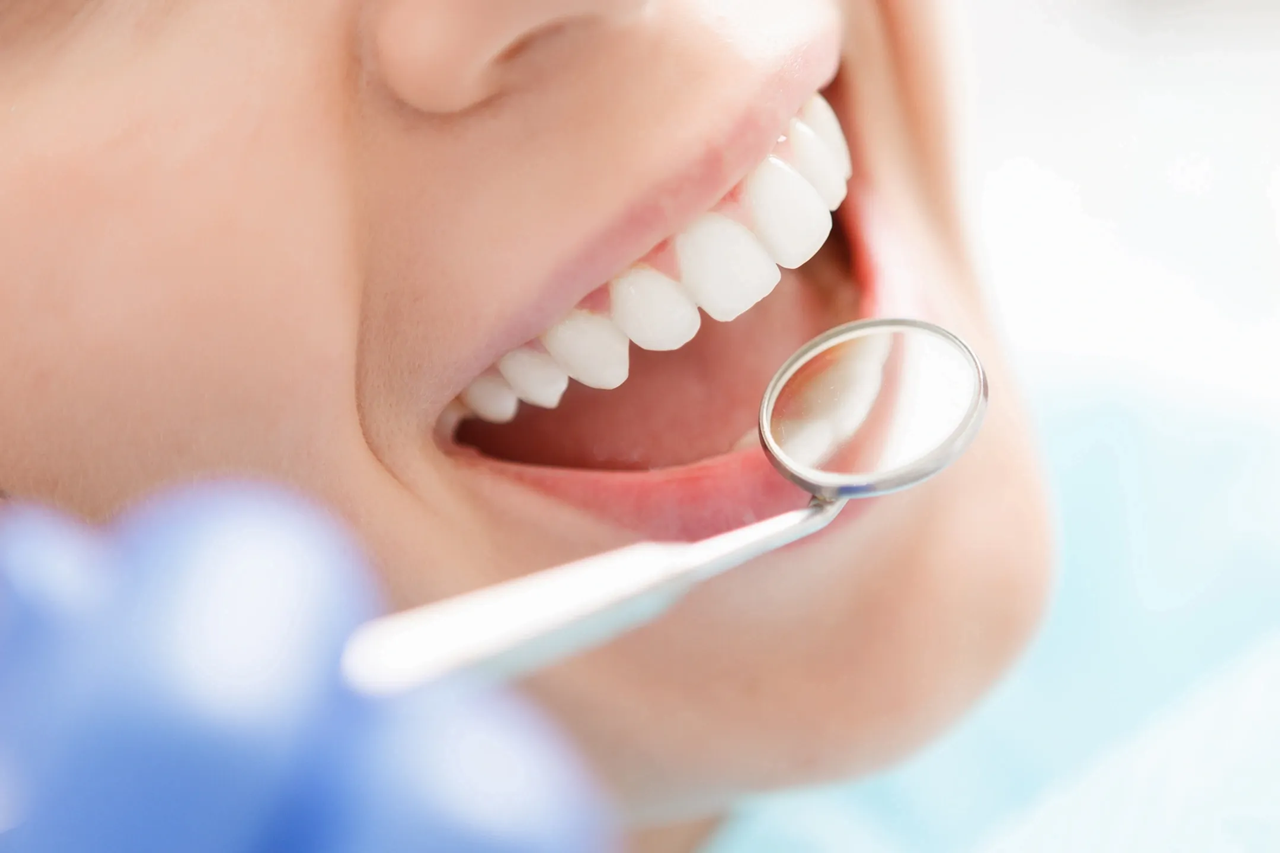
A bright and healthy smile is a sign of good oral hygiene and overall well-being. Behind every radiant smile are dedicated professionals known as dentists. These oral wellness experts play a crucial role in maintaining our oral health, preventing dental issues, and enhancing the aesthetics of our smiles. This article explores the various ways dentists keep your smile bright and healthy.
The Importance of Regular Dental Visits
Regular dental check-ups are the foundation of good oral health. These visits allow dentists to monitor and maintain your oral hygiene, catch potential issues early, and provide professional cleanings that help prevent plaque buildup and tooth decay.
Comprehensive Examinations
During a dental check-up, dentist taylors hill performs comprehensive examinations to assess the overall health of your mouth. They check for cavities, gum disease, and other oral issues. Dentists also use tools like X-rays to get a detailed view of your teeth and jawbone, helping them detect problems that are not visible to the naked eye.
Professional Cleanings
Professional cleanings, also known as prophylaxis, are essential for removing plaque and tartar that regular brushing and flossing cannot eliminate. Top dentist in dallas hygienists use specialized tools to clean your teeth thoroughly, focusing on areas that are hard to reach at home. This helps prevent cavities, gum disease, and other dental issues.
Preventive Care: The Key to a Healthy Smile
Preventive care is vital for maintaining oral health and avoiding dental problems. Dentists provide various preventive treatments and advice to help you keep your teeth and gums healthy.
Fluoride Treatments
Fluoride treatments strengthen tooth enamel, making it more resistant to decay. Dentists apply a fluoride gel or varnish to the teeth, which helps in remineralizing and protecting them from acids produced by bacteria. These treatments are especially beneficial for children, but adults can also benefit from them.
Dental Sealants
Dental sealants are thin, protective coatings applied to the chewing surfaces of the back teeth (molars). They act as a barrier, protecting the enamel from plaque and acids. Sealants are particularly beneficial for children, as they help prevent cavities in areas that are hard to reach with a toothbrush.
Mouthguards
Mouthguards are essential for protecting teeth during sports and other physical activities. Custom-fitted mouthguards provided by dentists offer better protection and comfort than over-the-counter options. They can also be used to prevent teeth grinding (bruxism) at night.
Diagnosing and Treating Dental Issues
When dental problems arise, dentists provide the necessary treatments to restore oral health. Their expertise in diagnosing and treating dental issues is crucial for maintaining a bright and healthy smile.
Fillings and Restorations
Dentists treat cavities by removing decayed material and filling the space with materials such as composite resin, amalgam, or gold. This restores the tooth’s function and appearance while preventing further decay. Restorations like crowns and bridges are used to repair and replace damaged or missing teeth, ensuring proper function and aesthetics.
Root Canals
A root canal is necessary when the pulp inside a tooth becomes infected or damaged. The dentist removes the infected pulp, cleans the interior of the tooth, and fills it to prevent further infection. This procedure can save a tooth that would otherwise need to be extracted.
Extractions
Tooth extraction may be necessary for severely damaged or decayed teeth that cannot be repaired. Dentists also perform extractions for impacted wisdom teeth, which can cause pain and crowding if left untreated. After an extraction, dentists provide guidance on how to care for the extraction site to promote healing and prevent complications.
Cosmetic Dentistry: Enhancing Your Smile
Cosmetic dentistry focuses on improving the appearance of teeth, gums, and smile. Dentists offer a variety of cosmetic procedures to enhance your smile and boost your confidence.
Teeth Whitening
Teeth whitening is a popular cosmetic procedure that removes stains and discoloration, resulting in a brighter smile. Dentists use professional-grade bleaching agents that provide more effective and longer-lasting results compared to over-the-counter products. In-office whitening treatments and take-home kits are both available options.
Veneers
Veneers are thin, custom-made shells placed on the front surface of teeth to improve their appearance. They can correct issues like discoloration, chips, and minor misalignments, providing a natural and attractive look. Veneers are a durable and long-lasting solution for achieving a perfect smile.
Bonding and Contouring
Dental bonding involves applying a tooth-colored resin to repair chips, cracks, and gaps in teeth. Contouring reshapes teeth to improve their appearance. Both procedures are minimally invasive and can significantly enhance a smile. They are often used to make minor adjustments that have a big impact on the overall aesthetics of the teeth.
Orthodontics
Orthodontic treatments, such as braces and clear aligners, correct misaligned teeth and bite issues. Dentists or orthodontists create a treatment plan tailored to your needs, helping you achieve a straight and healthy smile. Modern orthodontic options, like Invisalign, provide a more discreet way to straighten teeth.
The Role of Nutrition and Lifestyle in Oral Health
A balanced diet and healthy lifestyle choices play a significant role in maintaining oral health. Dentists provide advice on nutrition and lifestyle habits that promote a healthy mouth.
Foods That Promote Oral Health
Dairy Products: Milk, cheese, and yogurt are rich in calcium and phosphorus, which help strengthen tooth enamel.
Fruits and Vegetables: Crunchy fruits and vegetables like apples, carrots, and celery stimulate saliva production, which helps wash away food particles and bacteria. They also provide essential vitamins and minerals for gum health.
Water: Drinking water helps rinse away food particles and bacteria, maintaining a clean mouth and preventing dry mouth, which can lead to decay.
Foods to Limit
Sugary Snacks and Beverages: Sugary foods and drinks contribute to tooth decay by feeding harmful bacteria that produce acids. Limiting consumption of sweets, sodas, and fruit juices is essential for preventing cavities.
Starchy Foods: Starches from bread, crackers, and pasta can stick to teeth and break down into sugars, promoting decay. Brush and floss after consuming starchy foods to maintain oral health.
Acidic Foods and Drinks: Acidic foods and drinks, such as citrus fruits and sodas, can erode tooth enamel. Rinse your mouth with water after consuming acidic items and wait at least 30 minutes before brushing to avoid further enamel damage.
The Impact of Lifestyle Choices on Oral Health
Certain lifestyle choices can significantly impact oral health. Making positive changes can improve your dental and overall health.
Smoking and Tobacco Use
Smoking and using tobacco products can lead to gum disease, tooth decay, and oral cancer. Quitting smoking and avoiding tobacco products can significantly improve your oral health and reduce the risk of severe health issues.
Alcohol Consumption
Excessive alcohol consumption can lead to dry mouth, tooth decay, and gum disease. Limiting alcohol intake and staying hydrated can help maintain oral health.
Stress Management
Stress can contribute to teeth grinding (bruxism), gum disease, and neglect of oral hygiene. Practicing stress management techniques such as exercise, meditation, and adequate sleep can improve oral and overall health.
Conclusion
Dentists are essential healthcare providers who play a crucial role in maintaining and enhancing your smile. Their expertise in preventive care, diagnosing and treating dental issues, and providing cosmetic enhancements ensures that your teeth and gums stay healthy and attractive. Regular dental visits, good oral hygiene practices, a balanced diet, and healthy lifestyle choices are all vital for keeping your smile bright and healthy. By understanding the comprehensive role of dentists, you can better appreciate the importance of dental care in your overall well-being. Ensure regular dental check-ups and follow your dentist’s advice to enjoy a lifetime of healthy, beautiful smiles.