In recent years, the demand for Halal cosmetics has been on the rise, driven by a growing awareness among consumers about the ingredients they use and the desire for products that align with their religious and ethical beliefs. As the Halal cosmetics industry continues to expand, exciting innovations and developments are shaping its future. Let’s explore what lies ahead for Halal cosmetics.
1. Understanding the Growth of Halal Cosmetics
A. Rising Consumer Awareness
- Increasing Demand: Consumers are becoming more conscious of the ingredients in their skincare and makeup products, leading to a surge in demand for Halal-certified cosmetics.
- Cultural and Religious Factors: Muslim consumers seek cosmetics that comply with Islamic principles, while non-Muslim consumers also appreciate the ethical and clean beauty aspects of Halal products.
B. Market Expansion
- Global Reach: The Halal cosmetics market is not limited to Muslim-majority countries but has expanded globally, catering to diverse consumer segments.
- Mainstream Acceptance: Halal cosmetics are increasingly accepted in mainstream markets due to their quality, safety, and ethical standards.
2. Innovations Driving the Future of Halal Cosmetics
A. Ingredient Technology
- Natural and Organic Formulations: More brands are focusing on natural and organic ingredients, avoiding harmful chemicals and animal-derived ingredients.
- Plant-Based Alternatives: Innovative formulations using plant-based ingredients offer sustainable and Halal options for skincare and makeup products.
B. Advanced Manufacturing Processes
- Halal-Certified Facilities: Manufacturing facilities are investing in Halal certification and adopting modern technologies to ensure compliance with Halal standards.
- Clean Production Practices: Emphasis on clean and hygienic manufacturing processes to maintain product integrity and safety.
3. Developments in Product Range
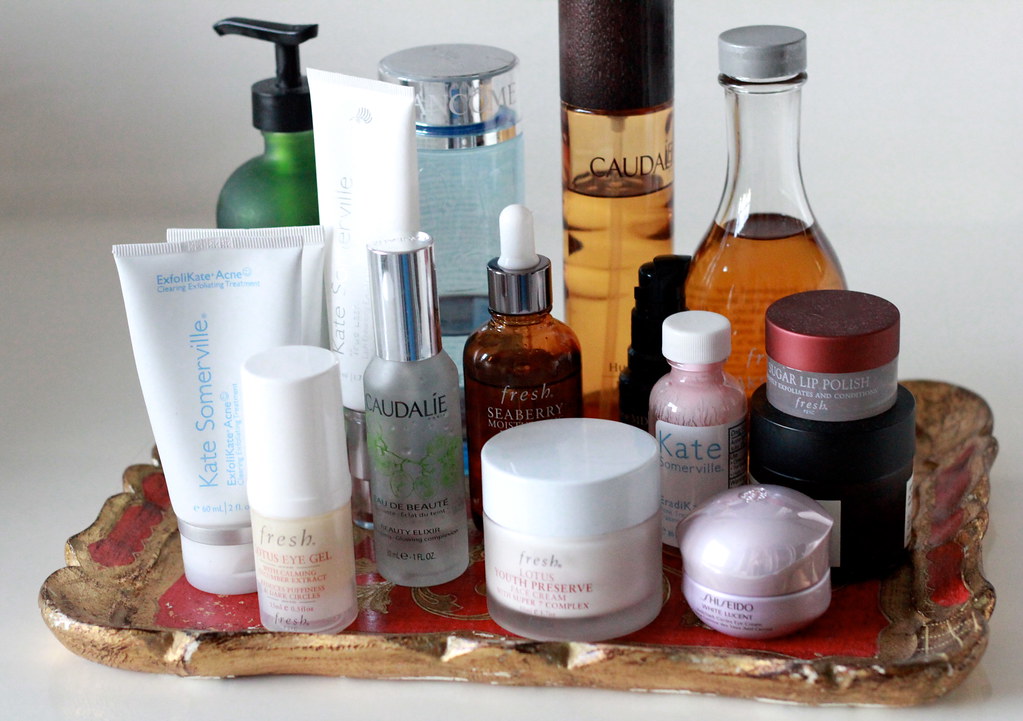
- Diverse Product Range: From OEM product Malaysia skincare and makeup to hair care and personal care products, the range of Halal cosmetics is expanding to meet various consumer needs.
- Specialized Formulations: Targeted products for specific skin concerns, such as anti-aging, acne treatment, and sun protection, are gaining popularity.
B. Halal Beauty Innovation
- Halal-Certified Makeup: More brands are introducing Halal-certified makeup products, including foundations, lipsticks, and eyeshadows, with vibrant colors and long-lasting formulas.
- Halal Fragrances: Perfumes and fragrances made from Halal-certified ingredients are emerging in the market, catering to consumers’ preferences for Halal-compliant scents.
4. Technology Integration
A. Digitalization
- E-Commerce Platforms: Online platforms offer a wide selection of Halal cosmetics, making them more accessible to consumers worldwide.
- Augmented Reality (AR): AR technology allows consumers to virtually try on makeup products before purchasing, enhancing the online shopping experience.
B. Sustainable Packaging
- Environmentally Friendly Packaging: Brands are focusing on sustainable and recyclable packaging options to reduce environmental impact.
- Minimalist Design: Minimalist packaging design with eco-friendly materials appeals to consumers looking for ethical and sustainable choices.
5. Consumer Trends and Preferences
A. Clean and Ethical Beauty
- Preference for Transparency: Consumers seek transparency in ingredient sourcing and production processes, driving the demand for clean and ethical beauty products.
- Cruelty-Free and Vegan: Halal cosmetics often overlap with cruelty-free and vegan beauty trends, appealing to ethically conscious consumers.
B. Personalization
- Customized Solutions: Personalized skincare and makeup products tailored to individual needs and preferences are becoming more popular.
- Data-Driven Beauty: Technology-enabled solutions offer personalized recommendations based on skin type, concerns, and lifestyle factors.
6. Conclusion
The future of Halal cosmetics is promising, with ongoing innovations and developments catering to the growing demand from diverse consumer segments. As technology advances and consumer preferences evolve, we can expect to see more sustainable, ethical, and technologically advanced Halal beauty products entering the market. Brands that embrace these trends and prioritize quality, transparency, and Halal compliance are likely to succeed in this rapidly growing industry.
Whether you’re a consumer looking for Halal cosmetics or a brand developing Halal-certified products, the future holds exciting possibilities for the world of Halal beauty. Stay tuned for more innovations and advancements as the Halal cosmetics industry continues to thrive and expand globally.