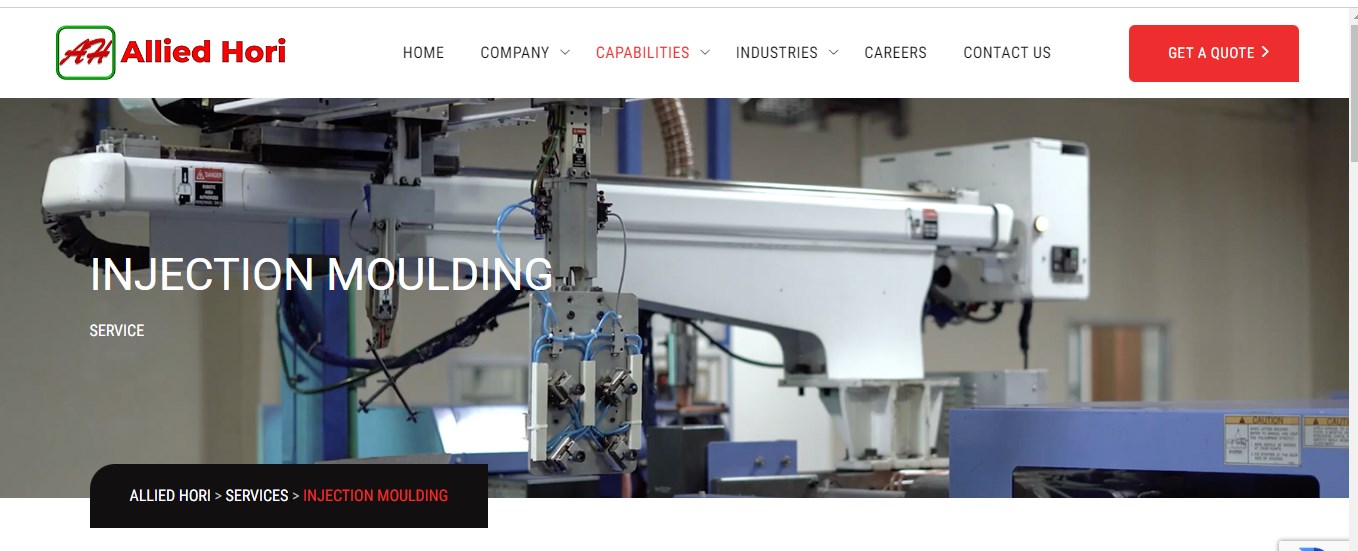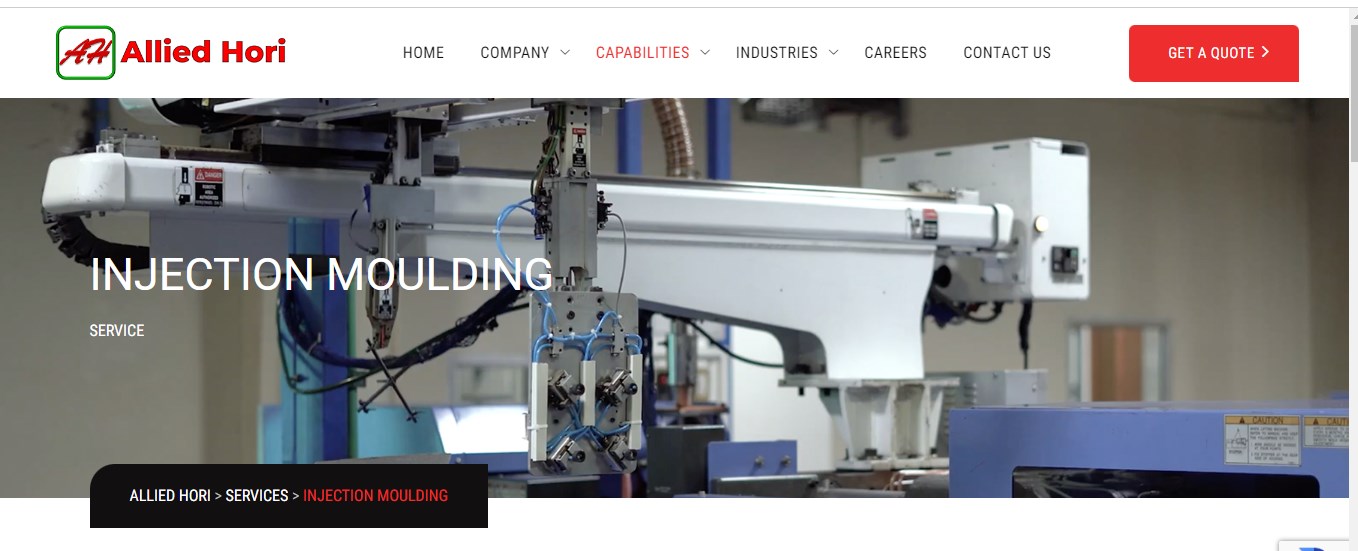
Plastic injection moulding continues to evolve with advancements in technology, materials, and manufacturing processes. Keeping up with the latest trends in plastic injection moulding services is crucial for businesses to stay competitive and meet the demands of modern markets. In this article, we’ll explore the top trends shaping the plastic injection moulding industry.
1. Introduction to Plastic Injection Moulding
1. What is Plastic Injection Moulding?
A printed circuit board assembly manufacturer is a manufacturing process where molten plastic material is injected into a mould cavity, cooled, and solidified to form a desired part or component. It is widely used across various industries for mass production of plastic parts.
2. Top Trends in Plastic Injection Moulding
1. Industry 4.0 Integration
Integration of Industry 4.0 technologies such as IoT (Internet of Things), AI (Artificial Intelligence), and automation is revolutionizing plastic injection moulding processes. Smart factories enable real-time monitoring, predictive maintenance, and optimization of production processes.
2. Additive Manufacturing and 3D Printing
The integration of additive manufacturing techniques, including 3D printing, with traditional injection moulding processes allows for rapid prototyping, tooling optimization, and the production of complex geometries with reduced lead times.
3. Sustainable Materials and Processes
There’s a growing focus on sustainability in plastic injection moulding. Manufacturers are adopting bio-based and recycled materials, as well as optimizing processes for energy efficiency and waste reduction to minimize environmental impact.
4. Multi-Material Moulding
Multi-material moulding allows the production of parts with different materials or colors in a single injection moulding cycle. This trend enables enhanced functionality, aesthetics, and cost-effectiveness in product design.
5. Micro Moulding
Micro moulding involves the production of extremely small and precise plastic parts. This trend caters to industries such as medical devices, electronics, and automotive, where miniaturization is increasingly important.
6. Overmoulding and Insert Moulding
Overmoulding and insert moulding techniques enable the encapsulation of one material or component with another, offering improved product durability, functionality, and aesthetics. These techniques are widely used in consumer electronics and automotive industries.
7. High-Performance Polymers
The demand for high-performance polymers such as PEEK, PPS, and PEI is increasing in industries like aerospace, medical, and automotive. These materials offer superior mechanical properties, chemical resistance, and thermal stability.
8. Digital Twin Technology
Digital twin technology allows manufacturers to create virtual replicas of the injection moulding process, enabling simulation, optimization, and predictive maintenance. This results in improved efficiency and reduced downtime.
9. On-Demand Manufacturing
On-demand manufacturing and agile production are gaining traction, allowing for small-batch production, customization, and quick response to market demands without the need for large inventory stockpiles.
10. Metal Replacement
Plastic injection moulding is increasingly used as a viable alternative to metal components in various industries due to factors such as weight reduction, cost-effectiveness, and design flexibility.
3. Impact of These Trends
1. Increased Efficiency and Productivity
Integration of advanced technologies and processes leads to increased efficiency, productivity, and throughput in plastic injection moulding operations.
2. Enhanced Design Flexibility
New trends enable greater design freedom, allowing for the production of more complex geometries, intricate details, and functional features in plastic parts.
3. Improved Sustainability
Adoption of sustainable materials and processes contributes to reducing the environmental footprint of plastic injection moulding, meeting consumer and regulatory demands for eco-friendly manufacturing.
4. Cost Reduction
Innovations such as additive manufacturing integration, on-demand manufacturing, and digital twin technology help in reducing production costs, tooling expenses, and time-to-market.
4. Conclusion
Keeping up with the latest trends in plastic injection moulding services is essential for businesses to remain competitive and meet the evolving needs of the industry. From Industry 4.0 integration to sustainable practices and advanced materials, these trends are shaping the future of plastic injection moulding, offering opportunities for innovation, efficiency, and sustainability in manufacturing processes. Embracing these trends can help businesses stay ahead in the dynamic landscape of plastic injection moulding.