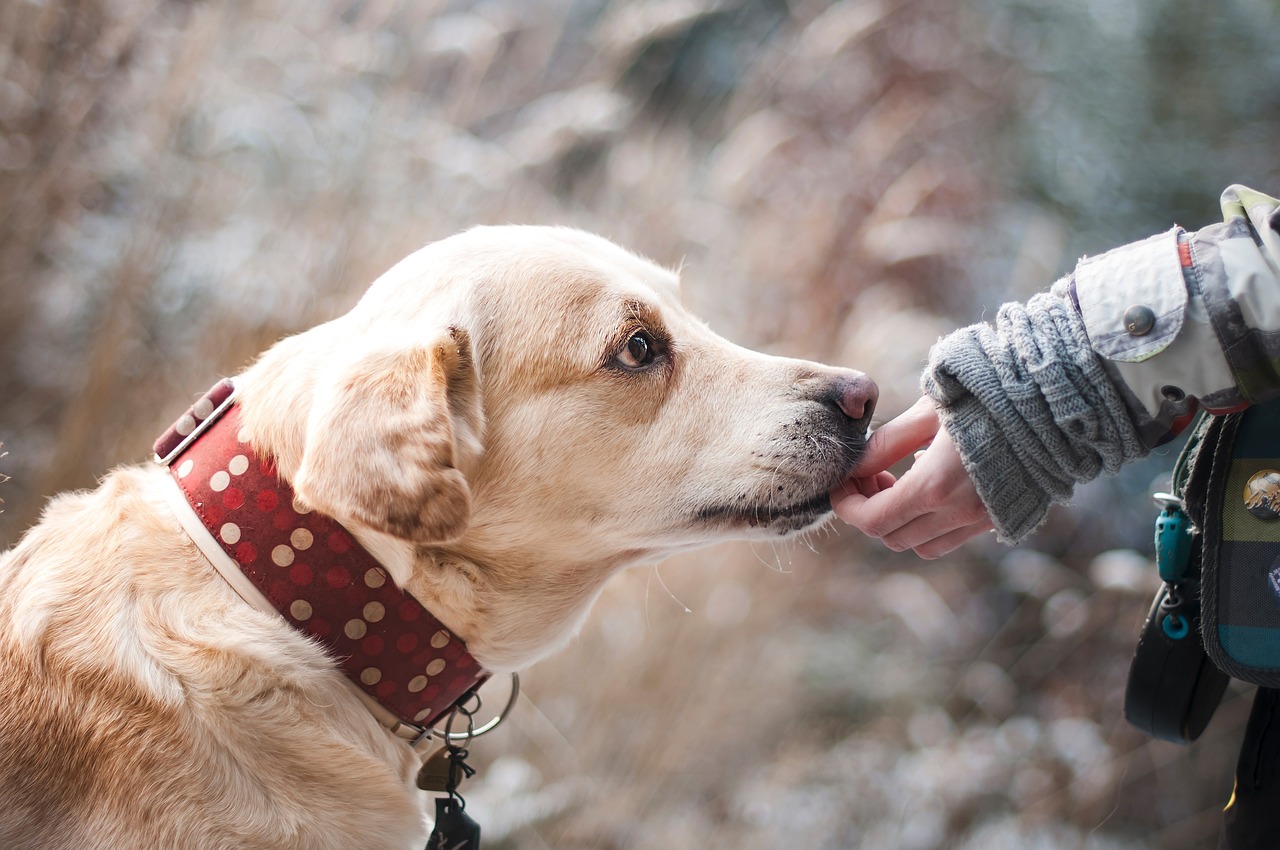
Siberian Huskies are known for their swagger and independent personality. This makes them stubborn and can sometimes get triggered when you command them to do something they don’t want to do.
They may start to howl, make noises that seem like talking or blankly stare at you. why are huskies so dramatic? These behaviors are usually goofy and silly, but they can also be a sign of frustration.
Strange Noises
Dogs use all sorts of noises to communicate, and they can be very strange. You might hear your dog grumbling or yipping at a frequency you’re not familiar with, for instance.
This is just your husky’s way of trying to communicate with you. They’re using these sounds to let you know they are paying attention and are not just ignoring you!
It is also common for your husky to make loud, high-pitched noises when they’re excited. It could be as simple as a bark, or they might even howl at the top of their lungs!
It’s possible your husky is howling to tell you they are lonely and need some company, or they may have anxiety about something happening at home. Howling is a very natural and important part of the communication process for dogs. It is their instinct to howl when they hear other dogs, sirens, babies crying or other loud sounds. This is their way of triangulating their location and letting other members of the pack know that they’re in distress.
Loud Noises
Dogs are very sensitive to sounds, and they can pick up frequencies three times higher than humans can. This means that they can hear noises at long distances and in noisy environments.
Huskies make a variety of noises, including grumbling, yipping, howling and screaming. These noises are just your dog’s way of communicating with you.
When they howl, it’s usually a sign that something bigger is happening in their world, and they need to call your attention to it. They also howl when they are anxious or bored.
Typically, they will howl when they are in a pack and their leaders are nearby, but sometimes they will howl when they’re alone or bored.
Howls are also a way for them to tell other dogs in their pack where they are and what they need. They also howl at sirens, high-pitched sounds like fireworks, and crying babies.
Stress
Your dog’s adrenal glands release hormones when they experience stress, which triggers the fight or flight response. This reaction can cause several physical symptoms in your dog, including increased heart rate, reduced digestion and sensory changes.
Loud or abrupt noises are also a common source of stress for dogs, especially fireworks and thunderstorms. These loud noises often continue to ring out over time and cause your dog to become increasingly anxious.
Some other signs of stress include chewing, potty issues and excessive shedding. These issues can indicate a variety of health conditions and make a trip to the vet a good idea.
Some studies have shown that a dog’s behavior can be predicted by the physiological response to stress, as measured with salivary markers such as cortisol and chromogranin A (CgA). For these reasons, behavioral tests that are designed to assess a pet’s personality may be complemented by a behavioral test that measures a stress response.
Change in Environment
The husky was bred to live in cold environments, and it can be hard for them to adapt to a warmer climate. This is especially true if your dog loves to spend time outside.
To keep your husky from overexerting himself in hot weather, you should set a limit to the amount of time he can spend outdoors each day. This way, you can ensure that he doesn’t overdo it and end up getting injured.
If your husky is itching, scratching, or biting in any area, this can be a sign of skin allergies. These allergies can be caused by a number of factors, including their food and environment.
In addition to skin problems, huskies can also develop immune system disorders, such as inflammatory bowel disease. This condition can lead to diarrhea and digestive upsets. If your husky is suffering from this, you can seek help through pet health professionals. Fortunately, it is rare for this condition to develop into chronic illness