Stepping out of a luxury salon with a fresh, vibrant color is an unmatched confidence booster. Whether you have just achieved a seamless, sun-kissed balayage, a striking platinum blonde transformation, or a rich, glossy brunette glaze, your hair color is an investment in your personal brand. However, the true test of high-end color artistry does not happen in the stylist’s chair—it happens in the weeks that follow.
New York City living presents a unique set of environmental challenges for color-treated hair. From dealing with harsh minerals in municipal water lines to confronting intense UV exposure and seasonal climate shifts, your hair color is under constant siege. Without a deliberate, scientifically backed home care regimen, beautiful tones can quickly become brassy, fade, or lose their healthy reflectivity. To preserve the vibrancy and structural integrity of your hair between visits, partnering with a premier institution like this Midtown NYC salon is essential to building a professional-grade defense strategy.
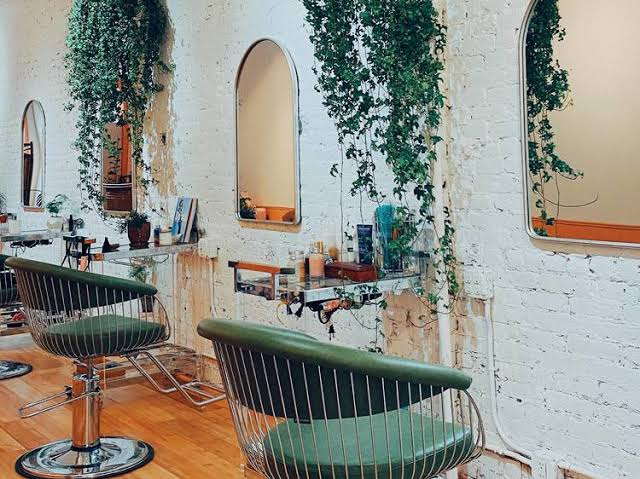
1. The Science of Color Fade: Why It Happens
To effectively protect your color, it helps to understand what happens to your hair during a professional chemical process. When permanent color or lightener is applied, the hair’s outermost protective layer—the cuticle—is chemically lifted to allow color pigments to enter or leave the internal cortex.
Once the process is complete, an elite colorist uses targeted treatments to smooth and seal that cuticle back down. However, the hair remains highly porous for a period. Every time your hair comes into contact with water, heat, or UV rays, the cuticle opens slightly. This allows the expensive color molecules trapped inside the cortex to wash away, or causes environmental oxygen to oxidize the pigments, resulting in faded, brassy underlying tones.
2. Upgrade Your Cleansing Chemistry
The absolute most critical factor in color longevity is your choice of shampoo and conditioner. Mass-market formulas often contain harsh surfactants, such as sodium lauryl sulfate, which act as aggressive detergents. While they leave your scalp feeling clean, they strip away the natural lipids that shield your hair and rapidly dissolve your color pigments.
Essential Rules for Washing Color-Treated Hair
- Insist on Sulfate-Free Formulas: Only use prestige, salon-grade haircare lines explicitly labeled color-safe and sulfate-free. These products utilize gentle, plant-derived cleansers that remove impurities without disturbing the delicate color molecules.
- Lower the Water Temperature: Washing your hair with hot water is a major cause of color fade. High temperatures expand the hair shaft and lift the cuticle, allowing color to rinse straight down the drain. Always wash and rinse with lukewarm or cool water to keep the cuticle tightly locked.
- Reduce Wash Frequency: Every wash cycle naturally erodes a small amount of color. Try to extend the time between washes to two or three times a week, relying on a premium, invisible dry shampoo to manage scalp oils on intermediate days.
3. Implement Advanced Bond-Building and Hydration
Chemical coloring alters the internal disulfide bonds that give hair its natural strength and elasticity. Over time, repeated styling and environmental wear weaken these bonds, making the hair brittle, dull, and prone to breakage. Healthy, well-hydrated hair holds color pigments significantly longer than dry, damaged hair.
The At-Home Strategy: Incorporate a weekly multi-step deep treatment routine. Alternate between a protein-rich bond rebuilder to repair internal structural damage and a deeply emollient moisturizing mask to restore essential fatty acids, shine, and elasticity.
4. Establish a Foolproof Thermal Defense
Thermal styling tools—including blow dryers, flat irons, and curling wands—are incredibly harsh on color-treated hair. Direct heat can physically cook color pigments, causing a bright blonde to look instantly brassy or a rich chocolate brown to turn flat and dull.
The Professional Thermal Care Protocol
1.Apply a high-performance heat protectant:Mandatory first defense.
Never apply heat to damp or dry hair without a premium leave-in thermal primer. This product coats the hair fibers with a protective shield, evening out heat distribution and preventing moisture from boiling inside the cortex.
2.Lower your tool temperatures:Avoid maximum settings.
Most modern styling tools heat up to 450°F, which is far too hot for color-treated hair. Keep your tools set between 300°F and 350°F. If your stylist has lifted your hair to a high blonde level, stick to the lower end of that range.
3.Work in smooth, single passes:Minimizes friction and heat contact.
Avoid running a flat iron over the exact same section of hair multiple times. Use a high-quality round brush or professional clips to guide your movements, ensuring each section is styled smoothly in a single, controlled pass.
5. Neutralize City Water and Environmental Threats
Many people do not realize that the water flowing out of their showerheads can actively damage their hair color. NYC tap water, while filtered safely for drinking, frequently carries trace heavy minerals like iron, copper, and chlorine through old municipal pipes. These minerals build up on the hair fibers over time, interacting with color chemicals to cause brassiness or a greenish tint.
| Environmental Threat | Impact on Color-Treated Hair | Proactive Solution |
| Hard Water Minerals | Creates a dull, yellowing film; alters blonde tones; strips natural moisture. | Install a multi-stage showerhead filter to trap heavy metals and chlorine before they reach your hair. |
| UV Radiation | Acts as a natural bleach, breaking down chemical color bonds and drying out the cuticle. | Apply a lightweight leave-in serum or protective hair mist containing UV-blocking filters before heading outdoors. |
| Chlorine & Saltwater | Strips away protective sebaceous oils; forces open the cuticle; causes severe fading. | Wet your hair thoroughly with clean water and coat it with a rich leave-in conditioner before swimming. |
6. The Bridge: Utilize Targeted Glosses and Toners
No matter how meticulous your home care routine is, chemical color will naturally experience a slight tonal shift around the four-to-six-week mark. This is when the underlying raw pigments begin to show through.
Rather than scheduling an aggressive, full-process color appointment too early, protect your hair’s health by booking a transitional gloss or toner service. A demi-permanent glaze does not lift or damage the hair; instead, it deposits a translucent layer of tone and exceptional shine over your existing color. This brief, refreshing service instantly counteracts brassiness, deepens faded hues, and closes the cuticle, effortlessly extending the time between major color services by weeks.
Conclusion: Partner with Master Color Chemists
Maintaining flawless, healthy hair color requires a shared commitment between your lifestyle choices at home and the expertise of your stylist. By choosing high-performance chemistry, shielding your hair from thermal elements, and avoiding harsh mineral exposure, you can enjoy a radiant, salon-fresh look that lasts for months.
When you are ready to invest in a premium color transformation backed by an expert aftercare strategy, discover the master-level artistry waiting for you at The Salon Project. Their curated team of elite NYC color specialists combines cutting-edge technical precision with prestige care products, ensuring your color remains vibrant, healthy, and tailored to your lifestyle.